General information, not technical or safety advice. The manual for your unit is the place to check how its filters come out; energy.gov.au points owners to the manufacturer’s guide for maintenance tips.
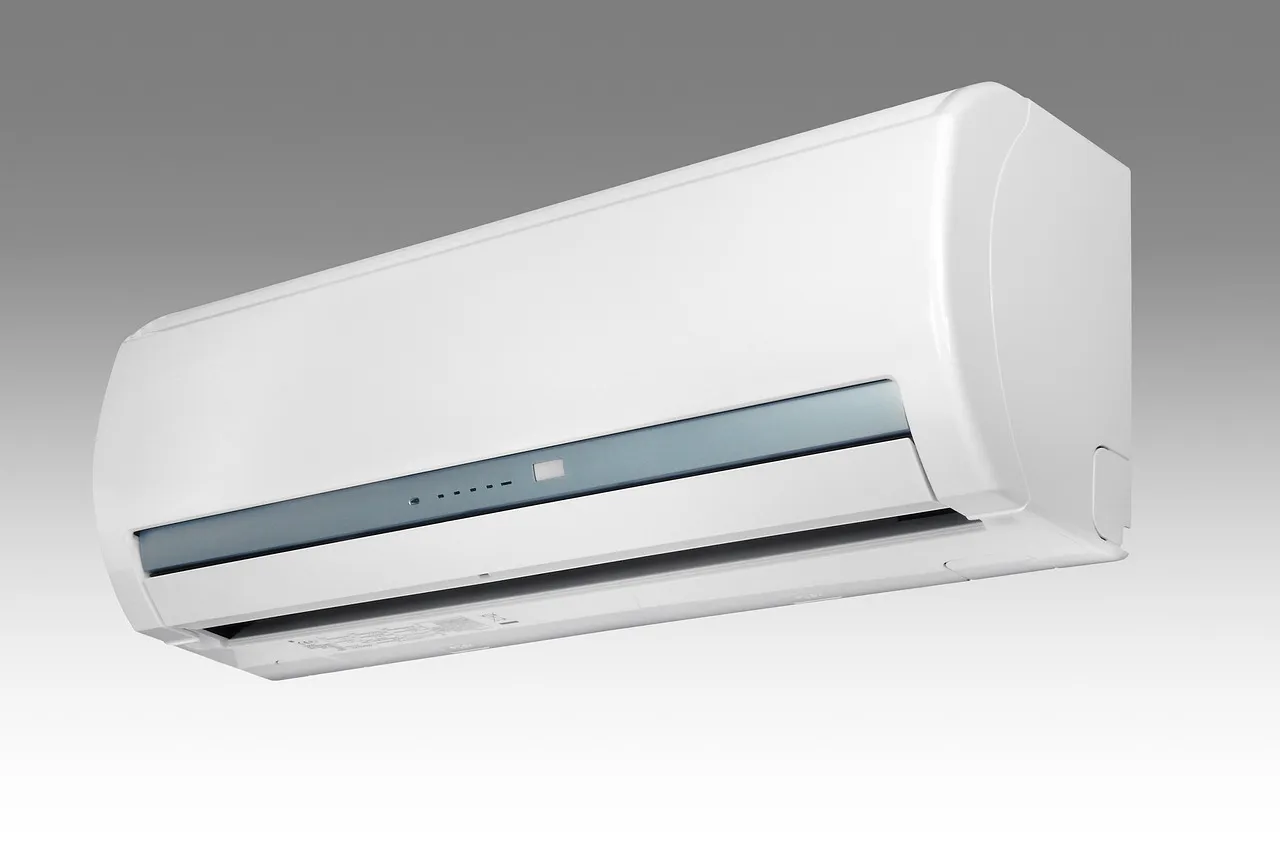
What official advice says you may do
Pulled together from energy.gov.au, these are the jobs the government’s energy advice gives to the householder:
- Clean the dust filters.
- Keep the indoor units free of dust, and wipe down the vents, filters and louvres without harsh cleaning fluids.
- Between services, clean the filters and the dust around both the indoor and outdoor units.
- Keep the area above an outdoor compressor clear so air can flow.
None of these sources gives step-by-step instructions for taking a filter out, because units differ. Your Home’s advice is to service heaters and coolers as the manufacturer’s instructions say, paying special attention to cleaning the air filters. For the how, your manual is the source written for your model.
How often: three sources, three answers
Official sources do not agree on one number for filter cleaning, and they were written for different readers.
| Source | What it says | Written for |
|---|---|---|
| energy.gov.au | Every 2 weeks during use | Its energy-saving guide for northern Australia |
| NSW Government energy site | Every few months, to keep up airflow and efficiency | New South Wales households with a reverse-cycle unit |
| Your Home | As the manufacturer’s instructions say | Any home |
Only the manufacturer’s instructions were written for your model, which is why Your Home points you to them.
Why it is worth doing
Cleaning the dust filters improves efficiency, energy.gov.au says. Its northern Australia guide puts it as helping appliances operate more effectively. In the federal energy department’s bench tests, a blocked evaporator and a blocked condenser were two of the four faults introduced, and on average most of the tests showed energy losses of between 14% and 20%. Entry 01 explains those tests.
Around the unit
Two more pieces of householder advice sit alongside the filters. Outside, Your Home says the outdoor compressor should be shaded from direct sun, and energy.gov.au adds that shade can make overheating less likely. Inside, its northern Australia guide notes that running an air conditioner in a sealed room dries the air, which can help manage mould. Switching the unit off and opening the windows lets humid air in, which may cause condensation, so the guide suggests keeping the room closed before opening it up to breezes or cooler night air.
Where your part stops
Yours
- The dust filters
- Vents and louvres, wiped down
- Dust around the indoor and outdoor units
- Clear space above the outdoor unit
Licensed work
- Servicing the system
- Anything involving a regulated refrigerant that could cause a leak
- Electrical work, in each state entry 05 covers
The Australian Refrigeration Council’s own list of work that needs a refrigerant handling licence includes servicing and maintaining the equipment, whether or not refrigerant is present. So the line between your part and theirs sits at the filters and the dust, which energy.gov.au names as the householder’s.
Electricity is the other reason to stop at the filters. NSW Fair Trading’s general advice on appliances is to switch off and pull out the plug before working on one, because parts of an appliance stay energised even when its own switch is off. And it says to treat a tingle or slight shock as a warning, and never to touch an appliance that has given one until it has been repaired by an approved repairer. Entry 05 sets out what each state says about electrical work.
If the filters are clean and the unit still struggles, a licensed technician is the person to look at the parts behind them.