General information, not legal or safety advice. Electrical licensing is set by each state and territory; this entry gives the words of the regulators in New South Wales, Queensland, Victoria and Western Australia. Elsewhere, check your own state or territory’s electrical regulator.
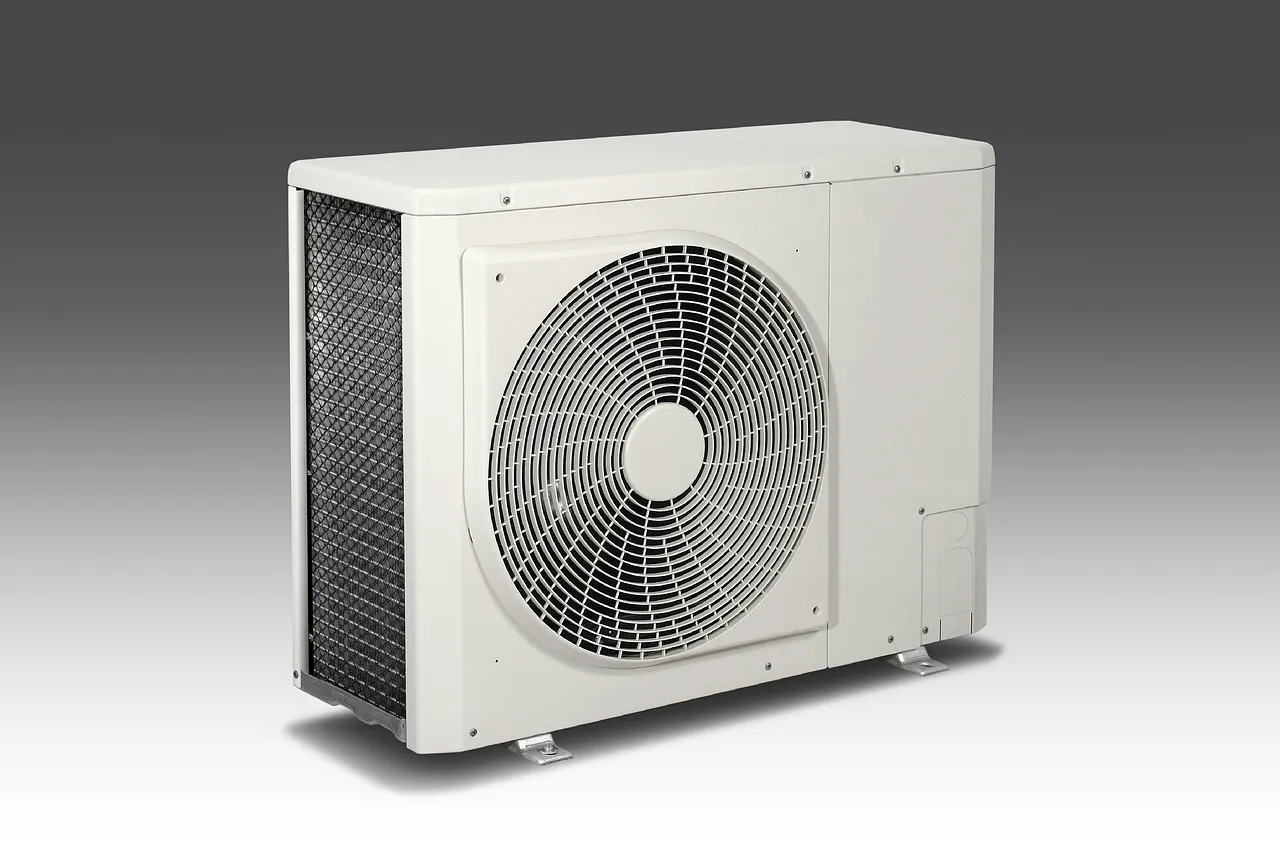
The refrigerant, everywhere in Australia
The national rule is the same in every state. You need a refrigerant handling licence for anything involving a regulated refrigerant that could cause a leak, and handling regulated refrigerant without one is an offence. The National Environmental Protection Agency also reminds technicians that even R32 is mildly flammable, and says strict standards apply to flammable refrigerants that vary between states and territories. Entry 03 covers the refrigerant law.
The electrics, state by state
Each regulator below is quoted or summarised from its own page. Read the one for your state.
New South Wales · NSW Government
Any electrical wiring work needs a licence
NSW requires an electrical licence or certificate for any electrical wiring work at all, whatever it costs and whether it is in a home or a business. Wiring work means physically installing, repairing, altering, removing or adding to an electrical installation, and an installation includes fixed appliances. As at 8 October 2026, the page says unlicensed electrical work can bring a fine of $22,000 for an individual or $110,000 for a company.
Even disconnecting or reconnecting fixed electrical equipment, meaning hard-wired appliances, motors and water heaters, needs a qualified supervisor certificate, and doing it without a licence or certificate breaches the Home Building Act 1989.
Queensland · Electrical Safety Office
Maintaining and repairing count as electrical work
The Electrical Safety Act 2002 defines electrical work as including “the manufacturing, constructing, installing, testing, maintaining, repairing, altering, removing, or replacing of electrical equipment”. Hard-wired appliances may be bought, but they must be connected by a licensed electrician. The office treats DIY electrical work as unlicensed work, which is illegal, with penalties of up to $40,000 for individuals (as at 8 October 2026). It adds that if a fire follows illegal electrical work, your insurer may refuse the claim.
Victoria · Energy Safe Victoria
No grey area
Energy Safe Victoria says electrical work is never a DIY job, not even a small one like swapping a power point or a light switch. Doing unqualified electrical work is extremely dangerous and also illegal. For electrical installation work, you must engage a registered electrical contractor, who sends a licensed electrician.
Western Australia · Building and Energy
Every piece of electrical work, licensed
Building and Energy says WA law requires all electrical work to be done by someone holding the relevant electrical licence. The restricted electrical licence held by refrigeration and air-conditioning mechanics does not let its holder install or alter fixed wiring. And its advice to householders is plain: do not do your own electrical work, or have an unlicensed person do it, because it is very dangerous.
Why the off switch is not enough
NSW Fair Trading’s general advice on appliances warns that parts of an appliance stay energised even when the appliance’s own switch is off. Queensland’s Electrical Safety Office adds that the danger from unlicensed work may not show straight away: it often appears only when something faults, or develops over time. If a unit gives you a tingle or a slight shock, NSW Fair Trading says to treat it as a warning and not to touch the appliance again until it has been repaired.
If someone has had an electric shock. healthdirect says an electric shock can be life-threatening. If, after the shock, the person passed out even for a second, is breathing very fast or very slow, has a heartbeat that is very fast, very slow or irregular, or has fallen from above the ground, call triple zero (000) and ask for an ambulance. If the shock seemed mild, healthdirect still says to see a doctor and have the heart checked. Do not put yourself in danger: the person may still be in contact with the current. Then follow the first aid on healthdirect’s electric shocks and burns page.
What is left for you
energy.gov.au gives the householder the dust filters, and entry 02 sets out what official advice says about that job. Everything else in this entry belongs to a licensed technician or electrician. Entry 06 explains how to check their licence.
A licensed electrician or refrigeration technician can open what the law keeps closed. Energy Safe Victoria’s advice is to always ask to see the licence, which it calls your guarantee that they are qualified to do the work.